When Startup and Tech Work Turns Into Anxiety.
Always on, always behind? How anxiety shows up in tech and startup work, how it differs from everyday work stress, and when a night IOP can help.
You checked Slack before you checked the weather this morning. Maybe before you got out of bed. The release is Thursday, the board deck is half-built, and your heart is doing something strange in the standup that has nothing to do with the standup.
A lot of people in tech and startup work call that "just the job." Sometimes it is. But when the tight chest, the 2 a.m. replay and the constant feeling of being behind stick around even in the quiet weeks, it may be anxiety rather than ambition. Anxiety is treatable.
This guide comes from Awkward Recovery, a Joint Commission–accredited outpatient mental health and substance use disorder treatment center in South Austin, Texas. It covers how anxiety shows up in always-on work, how to tell it apart from everyday work stress, what the caffeine, stimulant and alcohol "coping stack" does to it, and when it's worth getting more help.
Key Takeaways.
- Stress is a response to something outside you, like a launch date. Anxiety can keep going even when there's no current threat, and that difference is a useful first clue.
- If the feeling lifts after the project ships, work stress is likely a big part of it. If it follows you onto vacation, take a closer look at anxiety.
- Caffeine, stimulants and alcohol can feel like they help you get through the work. Each one can also feed anxiety or wreck sleep over time.
- You don't need a drug or alcohol problem to get anxiety treatment at Awkward Recovery, and the night IOP works around a work schedule.
In Crisis Right Now?.
If you're thinking about hurting yourself, or you're scared you can't stay safe, reach out now. Call or text 988 (Suicide & Crisis Lifeline), or text HOME to 741741 (Crisis Text Line). For treatment referrals, SAMHSA's National Helpline is 1-800-662-4357. In a life-threatening emergency, call 911. To reach Awkward Recovery, call (512) 616-0809.
What Does Anxiety Look Like in Tech and Startup Work?.
In tech work, anxiety can look like worry you can't switch off, a body that stays on edge and sleep that won't come, even when the work is going fine. The National Institute of Mental Health (NIMH) lists the symptoms of generalized anxiety disorder (GAD). They include worrying too much about everyday things, feeling irritable or "on edge," having a hard time concentrating, trouble sleeping, and pain such as headaches, muscle aches or tension.
Now put those in a startup. Feeling on edge means refreshing the metrics dashboard every twenty minutes. Trouble concentrating means reading the same pull request three times. Trouble sleeping means lying awake drafting a reply to a message your manager hasn't sent yet. The tension is the jaw you clench through every sprint review.
None of that makes you weak or bad at your job. NIMH notes that a GAD diagnosis requires finding it hard to control worry on most days for at least six months.
Anxiety also comes in other forms. Some people get panic attacks that hit in the middle of a meeting. Only an assessment can sort out which one you're dealing with. For the full picture of how anxiety works and how it's treated, see our anxiety treatment guide.
Takeaway: Anxiety can hide inside "being thorough." Ask yourself whether the worry matches the situation and whether you can turn it off.
Is It Stress or Anxiety?.
Stress is a response to something outside you. Anxiety can keep going after that thing is gone. NIMH puts it plainly: stress is "the physical or mental response to an external cause," while anxiety "can occur even if there is no current threat." That difference gives you a useful question to ask yourself.
Think about the last time a big push ended. Maybe the launch shipped, the round closed, or your on-call week rotated off. Did your body come down with it? If you felt relief once it was over, much of what you're carrying may be work stress. If the dread had found a new target by Monday, that looks more like anxiety.
Anxiety can travel. It comes on vacation, shows up at your kid's soccer game, and wakes you at 3 a.m. about an email that turned out fine.
Stress and anxiety are linked; NIMH describes anxiety as "your body's reaction to stress," which is why it helps to have someone assess it instead of guessing. NIMH also notes that when anxiety doesn't go away and starts interfering with your life, it can affect your health, and you may be at higher risk of developing an anxiety disorder or depression. If drinking or drug use is part of your picture, our guide on burnout vs. addiction for tech workers covers that side. This article stays with anxiety.
Takeaway: Stress has a cause you can point to. Anxiety can keep running without one. Watch what happens to the feeling when the pressure drops.
How Always-On Work Can Feed Worry.
NIMH notes that a stressor "can happen repeatedly over a long time," and that anxiety is "your body's reaction to stress." Always-on work can keep those stressors coming. Phones buzz at night. In chat channels, silence starts to feel like a verdict. You can check the metrics every minute. If your equity rides on performance reviews, every review carries extra weight. The alarm never gets a clear "all done" signal.
Checking the dashboard again feels like diligence. Rewriting a message five times feels careful. Asking "are we good?" after every one-on-one feels like being a team player. In the moment, each one brings the worry down a notch. But reassurance is a short-term fix that anxiety quickly burns through.
Performance anxiety lives here too. It shows up around the demo, the investor call, and the all-hands where your name is on the slide. For some people the dread stays in their head. For others it becomes a racing heart and shaky hands. NIMH describes a panic attack as "a one-time or occasional episode of intense fear with physical and emotional symptoms," including a pounding heart, sweating, trembling and chest pain. If you've ever left a meeting sure your heart was failing, that's worth knowing. Chest pain you're unsure about still deserves a medical check.
None of this means you have to leave tech. It means the skills that settle the alarm can be learned on purpose.
The Coping Stack: Caffeine, Stimulants and Alcohol.
When work runs hot, some people build a coping stack. Coffee to get going, something stronger to stay sharp, and a drink to come down. Each layer solves a real problem for a while. That's why it works, and it's also why it's hard to see when it stops working.
Caffeine
MedlinePlus says that for most people, up to 400 mg of caffeine a day isn't harmful. Too much can cause restlessness and shakiness, insomnia, a fast heart rate and anxiety. MedlinePlus also notes that energy drinks can be dangerous because they contain large amounts of caffeine. NIMH lists reducing caffeine and getting enough sleep among the healthy habits that can help lower anxiety symptoms alongside treatment.
Stimulants
Amphetamines are legal when a health care provider prescribes them for conditions such as ADHD. MedlinePlus also notes that "some people use amphetamines to help them stay awake on the job." It lists restlessness, tremors and sleep problems among their harmful effects, and it lists mood swings, including feeling anxious, among the withdrawal symptoms when someone stops using them. Taking someone else's pills before a deadline, or more of your own than prescribed, is what MedlinePlus calls prescription drug misuse. Don't change a prescribed medication on your own. Talk to your prescriber first.
Alcohol
The National Institute on Alcohol Abuse and Alcoholism (NIAAA) says that because alcohol is easy to get, it "is commonly used to cope with anxiety." Alcohol may seem to ease anxiety in the short term. Over time, though, heavy drinking and repeated withdrawal can make both the anxiety and the drinking worse. NIAAA also notes that anxiety-like symptoms can show up after a single heavy drinking episode, even in people without an anxiety disorder. We go deeper in why drinking makes anxiety worse.
One safety note: if you've been drinking heavily every day, don't quit cold on your own. According to MedlinePlus, alcohol withdrawal "may quickly become life-threatening," so talk to a doctor or a medical detox program first.
The point isn't to shame the coping stack. Each piece started as a reasonable way to handle a heavy load. The real question is whether it's still doing its job, or whether it has become part of what you need help with. NIMH notes that GAD "is also commonly associated with alcohol and substance misuse." When both are in the mix, dual diagnosis treatment treats them together instead of one at a time.
Takeaway: The coping stack can help for a while, but caffeine and stimulants can cost you sleep. When you need caffeine to start the day and a drink to end it, the anxiety may be what needs attention.
Signs It Might Be Time for More Help.
You don't need to wait for a breakdown. NIMH says that if you're struggling to cope, or your stress or anxiety symptoms won't go away, "it may be time to talk to a professional." It also says you may be at risk for an anxiety disorder if the stress feels unmanageable and the symptoms get in the way of everyday life, make you avoid things, or seem to always be there.
In tech work, that might look like this:
- You've stopped taking time off because being away makes the worry louder.
- You avoid the things that spike it, like presenting, one-on-ones, or opening certain inboxes.
- Weekly therapy helps, but the tools don't hold between sessions.
- You've had panic attacks at work, or you dread having one.
- You lean on caffeine, stimulants or alcohol to get through the day or to come down from it.
- The people closest to you have started asking if you're okay.
If you have thoughts of suicide with a plan or intent to act, get crisis care first: call or text 988, or call 911 in a life-threatening emergency. Thoughts of suicide without a plan or intent are serious, and they're also something we work with in IOP. Either way, tell someone.
Can You Get Anxiety Treatment Without Leaving Your Job?.
Yes. An intensive outpatient program (IOP) gives you several sessions a week of skills work, exposure work and group therapy while you keep living your life. At Awkward Recovery, that's a night program, so it works around a work schedule.
You don't need a drug or alcohol problem to come here. Awkward Recovery has one mental health track. Clients whose main concern is mental health are in a group with other mental-health-primary clients, not folded in with addiction groups. If substance use is part of your story, we treat anxiety and substance use together.
The work itself is evidence-based. NIMH calls cognitive behavioral therapy (CBT) "a research-supported type of psychotherapy" that is commonly used to treat GAD. CBT targets the thought-and-behavior loops that keep the alarm on. You also learn DBT skills for the moments a feeling is too big to think through, like the ten minutes before a pitch. When old trauma is part of the picture, evidence-based EMDR handles what's underneath. Treatment also draws on ACT, motivational interviewing, process groups and IFS-informed parts work. Yoga, breathwork, sound healing, fitness and Family Nights are part of the program too.
Facing what you've been avoiding is part of the work. You and your clinician work on the pace together, based on a clinical assessment of your readiness and the skills you've built. If medication is part of the plan, Awkward Recovery doesn't prescribe. We coordinate with your prescriber.
Takeaway: You don't have to pick between your career and your nervous system. A night IOP adds skills, structure and group support on top of the job instead of replacing it.
Start the Hard Part. We'll Handle the Rest..
Startup work runs on urgency. Your nervous system doesn't have to. If the worry has outlasted the deadline, the launch and your last vacation, that's a sign to get it looked at, not a sign to push harder. Awkward Recovery is based in South Austin and treats anxiety on its own or alongside substance use. Call (512) 616-0809 or reach out through our contact page. Confidential. No sales pitch. We're in-network with major insurance plans and verify your benefits for free.
Frequently Asked Questions.
Do I need a substance use problem to get anxiety treatment at Awkward Recovery?
No. You don't need a drug or alcohol problem to come to Awkward Recovery. Clients whose main concern is anxiety or another mental health condition are in a group with other mental-health-primary clients, not folded in with addiction groups. If substance use is part of the picture, Awkward Recovery treats both together as co-occurring conditions.
How can I tell if it's stress or anxiety?
Ask whether the feeling lifts when the pressure does. NIMH describes stress as a response to an external cause, while anxiety can occur even when there is no current threat. If the dread fades after a launch ships or during time off, work stress is likely a big part of it. If it follows you onto vacation and finds new things to worry about, anxiety may be driving it. Stress and anxiety are linked; NIMH describes anxiety as "your body's reaction to stress," so a clinical assessment is the best way to sort it out.
Can caffeine make anxiety worse?
It can. MedlinePlus says up to 400 mg of caffeine a day is not harmful for most people, but too much can cause restlessness and shakiness, insomnia, a fast heart rate and anxiety. NIMH lists reducing caffeine and getting enough sleep among the healthy habits that can help lower anxiety symptoms alongside treatment. Energy drinks deserve extra caution because they can contain large amounts of caffeine.
Is using stimulants or alcohol to get through the workday a problem?
It can become one. Alcohol may seem to ease anxiety in the short term, but NIAAA says heavy drinking and repeated withdrawal can make anxiety worse over time. MedlinePlus lists restlessness and sleep problems among the harmful effects of amphetamines, and taking a medicine differently than prescribed counts as misuse. Don't stop heavy drinking or a prescribed medication on your own. Talk to a doctor first.
Can I get anxiety treatment without quitting my job?
Yes. An intensive outpatient program (IOP) gives you several sessions a week of skills work, exposure work and group therapy while you keep working and living your life. Awkward Recovery in South Austin runs a night IOP that works around a work schedule.
Will treatment make me face the things that scare me?
Yes. Facing what you've been avoiding is part of the work. At Awkward Recovery, you and your clinician work on the pace together, based on a clinical assessment of your readiness and the skills you've built. The goal is for avoidance to stop running your life.
Does Awkward Recovery prescribe anxiety medication?
No. Awkward Recovery does not prescribe medication. If medication is part of your plan, the team coordinates with your prescriber so your therapy and medication work together. Don't start, stop or change a prescribed medication without talking to the provider who prescribed it.
What should I do if I'm having thoughts of suicide?
If you have thoughts of suicide with a plan or intent to act, get crisis help now: call or text 988, or call 911 in a life-threatening emergency. Thoughts of suicide without a plan or intent are serious and worth talking about, and they can be worked with in an IOP setting. You can also text HOME to 741741 to reach the Crisis Text Line.
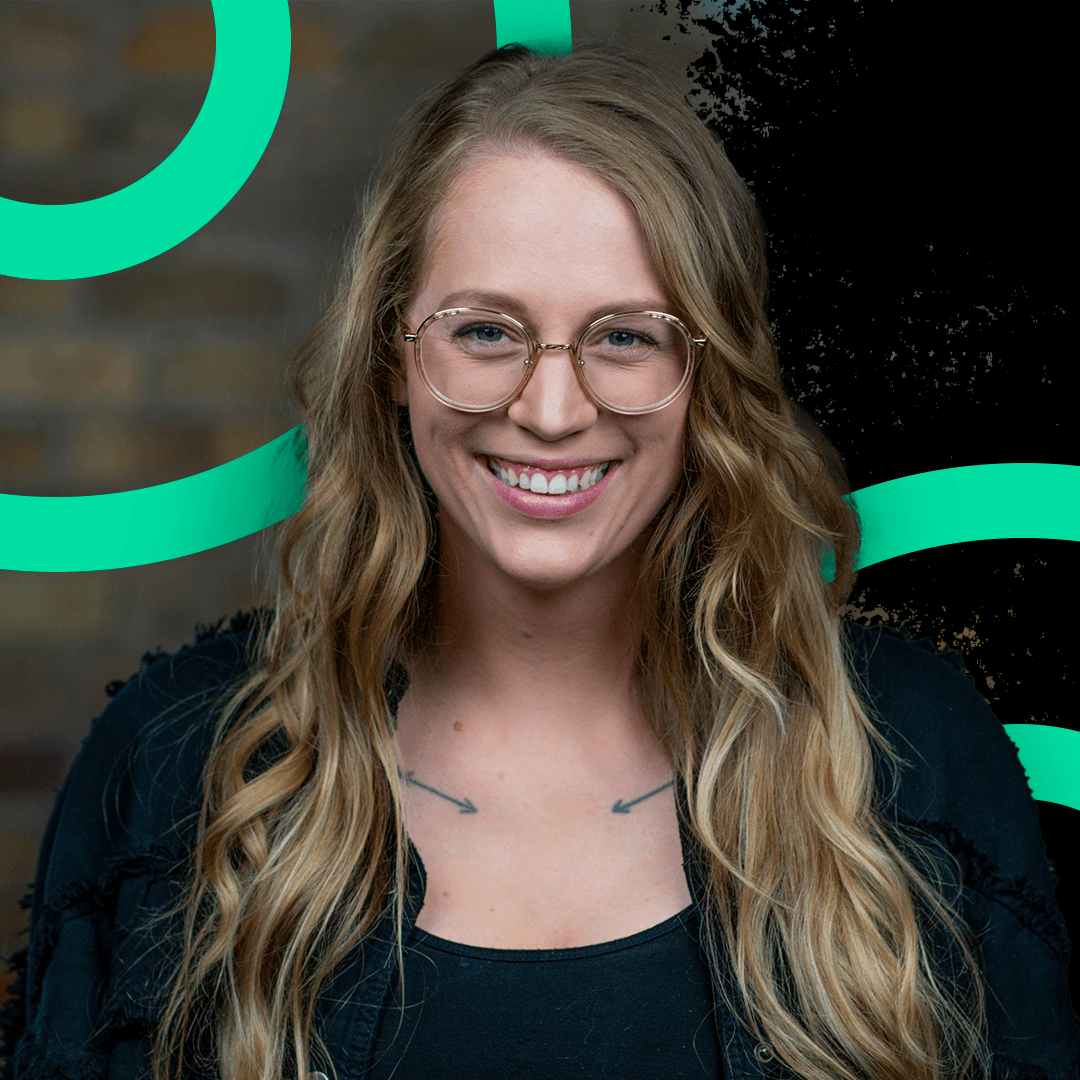
Rachel Stein.
For more than a decade, Rachel has walked alongside clients as a clinician — challenging when it matters and helping them build a life worth staying sober for. Trained in EMDR, DBT, and TF-CBT, she has built multiple intensive outpatient programs and curriculums from the ground up, and she leads the supervision structure that keeps the team accountable.
- EMDR, DBT & TF-CBT
- Addiction + co-occurring mental health
- IOP program design
- Trauma-informed practice
- LGBTQIA+ affirming care