Alcohol and Anxiety: The Loop That Makes Everything Worse.
Drinking to calm anxiety backfires within hours. The science of the alcohol-anxiety loop, and what to do when you're stuck in it. Austin-based dual diagnosis care.
It makes sense, on paper. You're anxious, alcohol relaxes you, anxiety goes away. Problem solved. Except it's not—and if you've been riding that cycle for a while, you probably already know something is off. Awkward Recovery, a Joint Commission Gold Seal-accredited Intensive Outpatient Program (IOP) in South Austin, Texas, works with a lot of people who discovered too late that drinking for anxiety is a trap. Here's what's actually happening in your brain—and what you can do instead.
Why Alcohol Feels Like It Works for Anxiety.
Alcohol is a central nervous system depressant. When it enters your bloodstream, it enhances the effect of GABA—the brain's main calming neurotransmitter—and suppresses glutamate, which drives arousal and stress responses. The result? That warm, loose, "I can actually talk to people" feeling that makes a drink or two seem like a reasonable solution to social anxiety.
The problem isn't that alcohol doesn't work in the short term. It does. That's exactly what makes it dangerous.
Your brain notices when a substance reliably reduces discomfort, and it starts relying on it. Over time, your nervous system recalibrates. It produces less GABA on its own and cranks up glutamate activity to compensate. The net effect: when you're sober, your baseline anxiety is higher than it used to be. You need a drink just to feel normal—and you need more than you used to just to feel calm.
The bottom line: Alcohol temporarily suppresses anxiety by acting on brain chemistry, but regular use causes your nervous system to compensate in ways that make anxiety significantly worse between drinks.
The Rebound Effect Is Real (and It's Rough).
Ever notice that the morning after drinking, anxiety is through the roof? That's not a coincidence, and it's not just a hangover.
As alcohol leaves your system, your brain overcorrects. The glutamate suppression lifts, GABA levels tank, and your nervous system goes into a kind of hyperactivation. For someone who already struggles with anxiety, this rebound effect can feel unbearable—racing heart, dread, spiraling thoughts, a sense that something terrible is about to happen.
The cruel irony is that the fastest relief from this feeling is another drink. That's exactly how the alcohol and anxiety loop tightens over time. The [](https://www.niaaa.nih.gov/)National Institute on Alcohol Abuse and Alcoholism (NIAAA) has documented this bidirectional relationship extensively—anxiety disorders and alcohol use disorder reinforce each other, making both harder to treat when addressed separately.
The bottom line: Alcohol rebound after drinking spikes anxiety in the hours and days that follow, making the urge to drink again feel like a physiological need rather than a choice. That's the loop, and it tightens the longer it runs.
Self-Medicating Anxiety: What's Really Going On.
The term "self-medicating anxiety" gets thrown around a lot, but it's worth unpacking what it actually means.
If you're using alcohol specifically to manage anxiety—before social situations, to quiet racing thoughts, to sleep, to get through a stressful workday—that's not casual drinking. That's a coping strategy. And like most coping strategies that work short-term, it creates bigger problems over time.
Self-medicating is incredibly common, and it's not a character flaw. Austin's social culture doesn't help—between the bar scenes on Sixth Street, the constant stream of work happy hours, and the general pressure to be "on" in professional and social settings, alcohol is everywhere and sobriety is conspicuous. It makes sense that people reach for what works fastest.
But here's the thing: anxiety and substance use are what's called a [](https://www.awkwardrecovery.com/our-programs/conditions-we-treat)dual diagnosis—two conditions that interact and feed each other. Treating one without addressing the other is why a lot of people cycle through the same patterns without ever fully breaking free. At Awkward Recovery, our [](https://www.awkwardrecovery.com/our-programs/intensive-outpatient-program)IOP in Austin treats both simultaneously, because you genuinely can't disentangle them.
What Anxiety Without Alcohol Actually Looks Like.
If you're used to drinking for anxiety, the idea of facing it sober can feel impossible. Let's be honest about that instead of pretending it isn't scary.
In early recovery, anxiety often spikes. Your nervous system has been numbed for months or years, and it's recalibrating. That's real and it's uncomfortable—and it's also temporary. What most people find, with the right support, is that anxiety becomes manageable. Not through elimination, but through building actual tolerance for discomfort.
Evidence-based [](https://www.awkwardrecovery.com/our-programs/therapies)therapies for anxiety and addiction include Cognitive Behavioral Therapy (CBT), Dialectical Behavior Therapy (DBT), and EMDR. These approaches help rewire the patterns driving anxiety and the automatic reach for a drink when it spikes. They're not magic, but they work—and they don't come with a rebound effect the next morning.
The [](https://www.nimh.nih.gov/health/topics/anxiety-disorders)National Institute of Mental Health consistently notes that anxiety disorders are among the most treatable mental health conditions. The catch: they have to actually be treated, not managed with substances.
The bottom line: Early sobriety often means anxiety gets louder before it gets quieter. That's neurological recalibration—not proof that you can't do it without a drink. The tools exist. They just require more than willpower to access.
How to Break the Loop.
Breaking the alcohol and anxiety cycle isn't just about stopping drinking. It's about replacing one coping strategy with something that actually works long-term.
That means a few things in practice:
Understanding your specific triggers. What situations, thoughts, or physical sensations are you using alcohol to avoid? Getting specific about this is uncomfortable, but it's necessary.
Building a nervous system regulation toolkit. Breathing techniques, physical exercise, grounding practices—these aren't soft suggestions. They work on the same neurological mechanisms as alcohol, without the rebound. They just require consistent practice before they feel reliable.
Getting real support. If anxiety and [](https://www.awkwardrecovery.com/drugs/alcohol-abuse-recovery)alcohol use are both part of your picture, managing both on your own is a heavy lift. A structured program that addresses the dual diagnosis directly is usually the difference between cycling through the same patterns and actually changing them.
The bottom line: Breaking the loop takes more than willpower. It takes replacing a short-term coping strategy with evidence-based tools and support that address anxiety and substance use at the same time.
FAQs: Alcohol and Anxiety.
Q: Is it normal to feel more anxious when you stop drinking?
A: Yes—and it's one of the most common reasons people return to drinking in early recovery. When your brain has been relying on alcohol to suppress anxiety, removing it triggers a neurological rebound. This typically peaks in the first one to two weeks and improves significantly with time and proper support. You're not failing. You're going through withdrawal.
Q: How do I know if my anxiety is a real disorder or just related to drinking?
A: Honestly, it can be both. Many people have underlying anxiety that predates their drinking and was never properly treated. Others develop anxiety as a direct result of alcohol's neurological effects over time. The clearest picture comes from working with a clinical team after a period of sobriety. At Awkward Recovery, our clinical team is set up to assess exactly that.
Q: Can I drink in moderation to manage anxiety instead of quitting entirely?
A: For some people with mild, situational anxiety and no history of problematic use, moderate drinking might not be an issue. But if you're asking this question, there's a good chance you're already past that point. Moderation strategies tend to fail for people who are using alcohol specifically to regulate their mood—because the anxiety relief reinforces the pattern regardless of how much you drink.
Q: What's the fastest way to calm anxiety without alcohol?
A: Physiologically, controlled breathing—specifically slow exhales—is the fastest non-substance way to activate your parasympathetic nervous system and reduce the anxiety response. It works. It just takes practice and feels weird the first several times you try it. Over time, it becomes automatic.
Q: Does anxiety get better the longer you stay sober?
A: For most people, yes—significantly. The first few weeks are usually the hardest as brain chemistry restabilizes. Many people are genuinely surprised to find that their baseline anxiety drops substantially after several months of sobriety, especially with therapeutic support addressing the underlying patterns.
Q: Does Awkward Recovery treat anxiety and alcohol use at the same time?
A: Yes. Dual diagnosis treatment—addressing anxiety and substance use simultaneously—is a core part of how Awkward Recovery's IOP is structured. If you're dealing with both, that's not a complication. That's exactly what the program is built for.
If You or Someone You Know Is in Crisis.
- 988 Suicide & Crisis Lifeline: Call or text 988
- SAMHSA National Helpline: 1-800-662-4357 (free, confidential, 24/7)
- Crisis Text Line: Text HOME to 741741
Ready to stop cycling through the same loop? Awkward Recovery is South Austin's IOP for people who are done pretending the drink is helping. Call us at (512) 616-0809 or [](https://www.awkwardrecovery.com/contact-us)reach out online. No judgment, no bullshit—just real support.
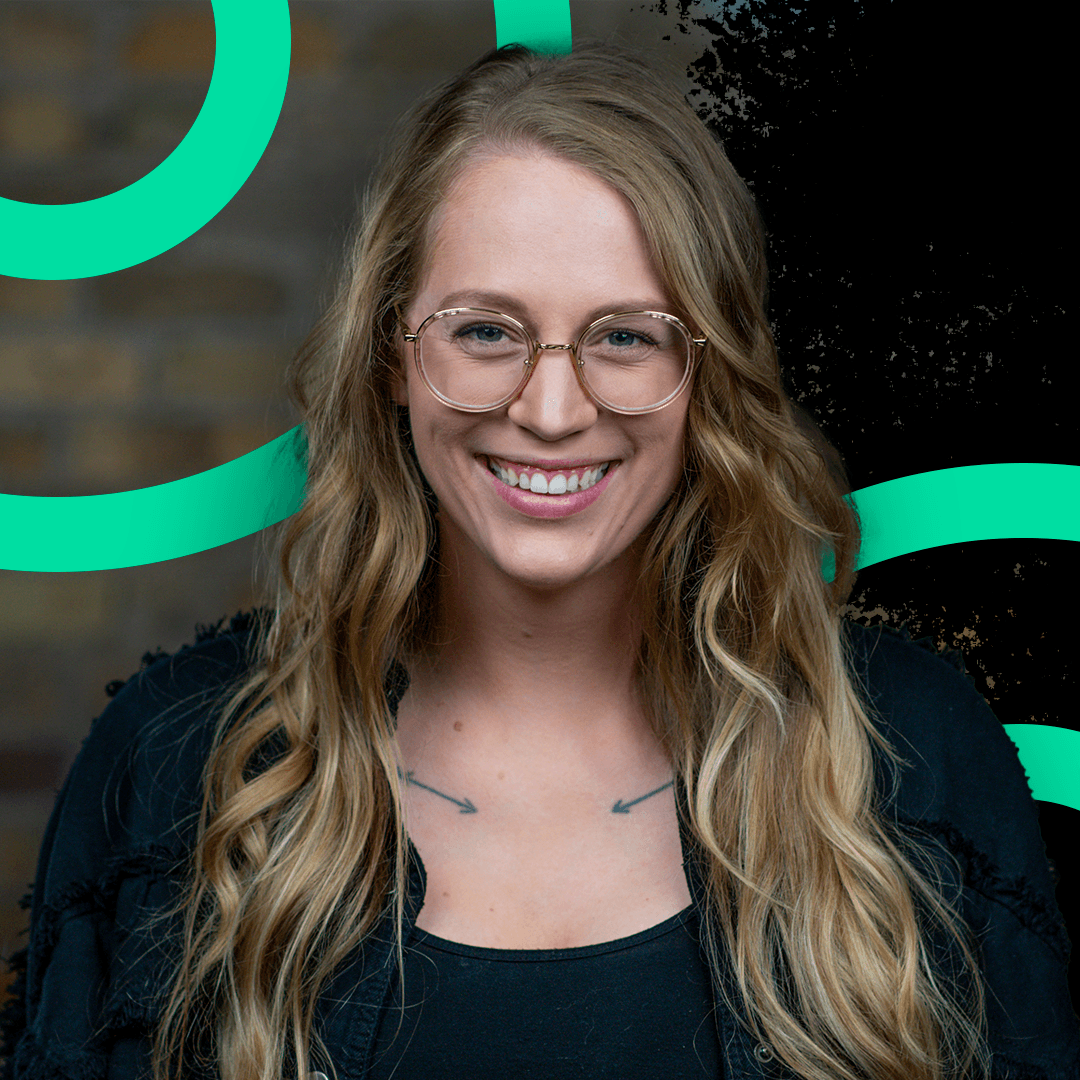
Rachel Stein.
For more than a decade, Rachel has walked alongside clients as a clinician — challenging when it matters and helping them build a life worth staying sober for. Trained in EMDR, DBT, and TF-CBT, she has built multiple intensive outpatient programs and curriculums from the ground up, and she leads the supervision structure that keeps the team accountable.
- EMDR, DBT & TF-CBT
- Addiction + co-occurring mental health
- IOP program design
- Trauma-informed practice
- LGBTQIA+ affirming care