// Therapy 01
Cognitive Behavioral Therapy (CBT)
The most-studied addiction therapy. Strong evidence base across alcohol, opioids, stimulants, cannabis, and polysubstance use.
Learn more
Evidence-based substance use disorder treatment in an intensive outpatient program. Integrated dual-diagnosis care, evening sessions, real clinical work — for adults who need to keep their lives intact while they get sober.
Substance use disorder (SUD) is the clinical term for what most people call addiction. The DSM-5 defines it across 11 criteria, with severity classified as mild, moderate, or severe. Most adults seeking outpatient treatment fall somewhere across the mild-to-severe range, which is what IOP is built for. (A mild SUD diagnosis typically still reflects a real clinical problem — non-addicts rarely meet the criteria at all.) At Awkward Recovery, we treat SUD inside an evidence-based IOP that addresses the substance use AND whatever's underneath it — mental health, trauma, family dynamics, the whole picture.
Some clients come to AR for substance use without a co-occurring mental health diagnosis. The IOP works as a standalone SUD treatment, with the dual-diagnosis components available if and when they become relevant.

The DSM-5 uses 11 criteria to diagnose substance use disorder. Mild SUD (2–3 criteria) still reflects a real problem worth treating; moderate (4–5) is typically the right fit for IOP; severe (6+) works for many, though some severe cases need residential or PHP first. The intake assessment maps your severity and recommends the right level of care. If you need detox or residential first, we refer. No sales pitch.
The first weeks build the foundation: getting safely off the substance (sometimes with medical detox referral), establishing distress tolerance skills, sleep, basic nutrition, and the routine that supports recovery.
CBT identifies the thought-behavior loops that drive substance use — the triggers, the cognitive distortions, the relapse pathways. DBT skills give you something concrete to do when the urge hits. This is where the toolkit gets built.
For most clients, substance use was managing something underneath — trauma, depression, anxiety, a relationship pattern that kept producing the same crisis. Phase 3 addresses the underneath, often with EMDR or IFS. This is the work that prevents the relapse 2–5 years out.
Recovery isn't finished when IOP ends. The last phase builds the aftercare plan: alumni programming, ongoing outpatient therapy, sober support community, family therapy if needed, and a clear written relapse prevention plan.
The most-studied addiction therapy. Strong evidence base across alcohol, opioids, stimulants, cannabis, and polysubstance use.
Learn moreDistress tolerance, emotion regulation, mindfulness. The skills that hold when cravings hit and CBT homework isn't enough.
Learn moreFor clients whose substance use is rooted in unprocessed trauma, EMDR addresses the trauma directly. Sequenced after stabilization.
Learn moreEspecially useful for substance use rooted in complex trauma, dissociation, or the "part of me wants to use, part of me doesn't" experience.
Learn moreGroup is the backbone of IOP — connection, accountability, real-time skill practice. Family therapy repairs the relationships substance use damaged and trains your support system to actually support recovery.


Most major insurance plans cover IOP-level care for substance use disorder, including the therapy sessions, group work, and dual-diagnosis components. We'll quickly verify your insurance and follow up — no cost, no commitment.

IOP handles mild-to-severe substance use disorders for most adults. Some cases need a higher level of care first:
In any of these cases, residential or partial hospitalization comes first, then IOP after stabilization. We refer when that's the right call.
"Substance use disorder" is the current clinical term used in the DSM-5. "Addiction" is the everyday term most people use. They refer to the same thing — but SUD has clearer criteria for severity and is preferred in clinical contexts.
Not always. Some substances (alcohol, benzos, opioids) require medical detox first because of withdrawal risk. Others can be tapered or stopped at intake. The pre-admission call sorts the right starting point.
We don't prescribe MAT directly. We coordinate with prescribing physicians who do, and we support MAT for opioid and alcohol use disorder when it's clinically appropriate. The evidence is clear: MAT saves lives when it's clinically needed based on the severity of post-acute withdrawal symptoms.
Outside support is a great way to build community and structure in recovery, and we encourage it. Some clients use 12-step, some use SMART Recovery, some use neither — we don't care which one you attend. The clinical work inside IOP is evidence-based therapy regardless of which outside community you choose.
A relapse during IOP is a clinical event, not a moral failure. We address it in the next session: what happened, what got missed, what to adjust. Some programs discharge clients for relapse; we don't — unless it's medically necessary or it's happening frequently and repetitively.
Standard SUD: 12–16 weeks in IOP. With heavy dual diagnosis or trauma: longer, often with continued outpatient afterward.
Yes — that's the design. Evening IOP fits around a standard work schedule. Some employers require disclosure under FMLA; many don't. The intake conversation addresses your specific situation.
Only if you choose to involve them. AR is HIPAA-compliant; we don't disclose to family without your written consent. Family involvement helps recovery when it's safe and appropriate — but it's your call.
Most plans cover IOP-level SUD treatment. Quickly verify your insurance — no cost, no commitment.
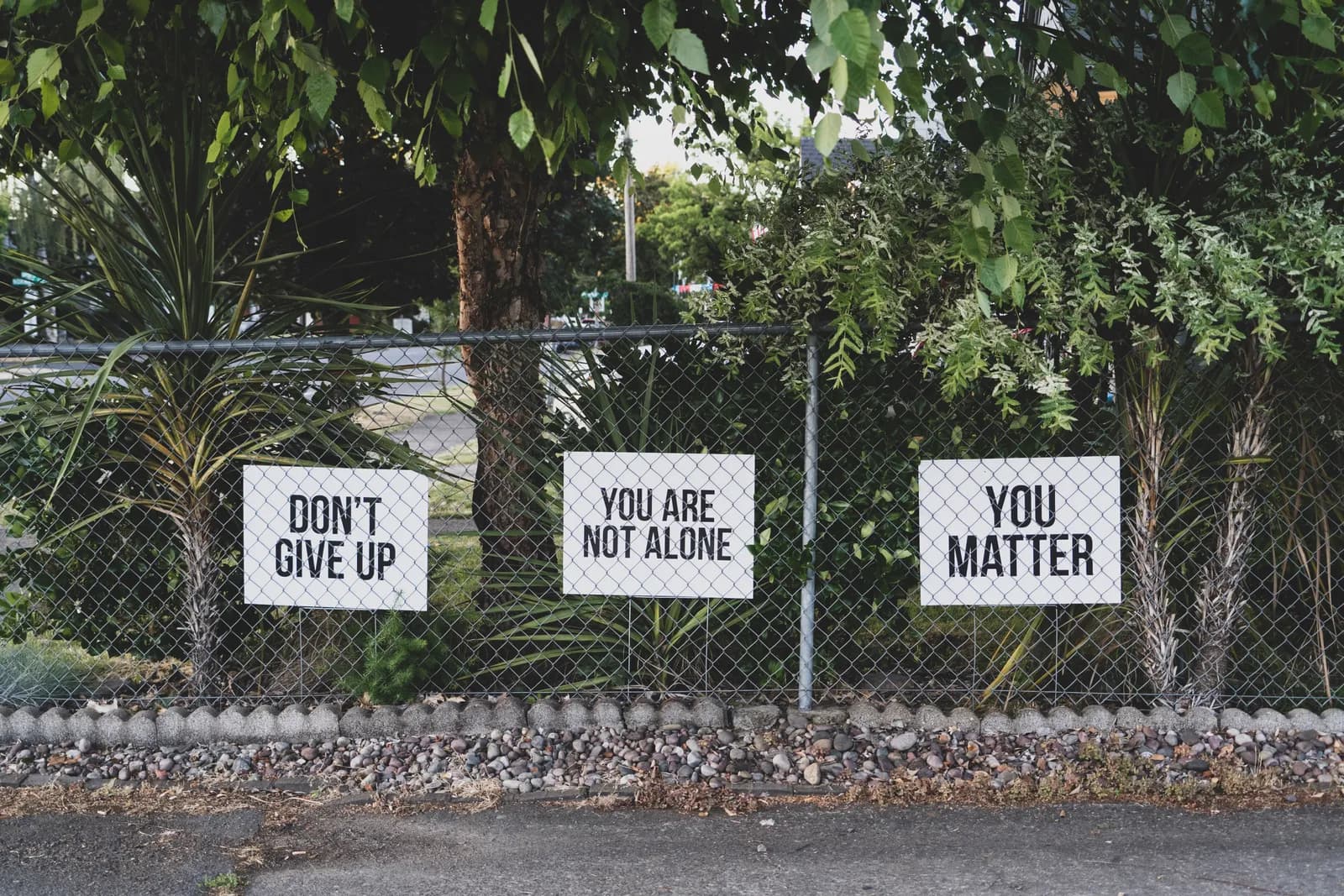
You don't need to hit a bottom. You don't need to wait until it's catastrophic. The right time to start treatment is when you're done pretending it's manageable.
Confidential. No sales pitch.