


Socializing Sober in Austin Sounds Terrifying. Here's How to Actually Do It.
- May 15
- 5 min read
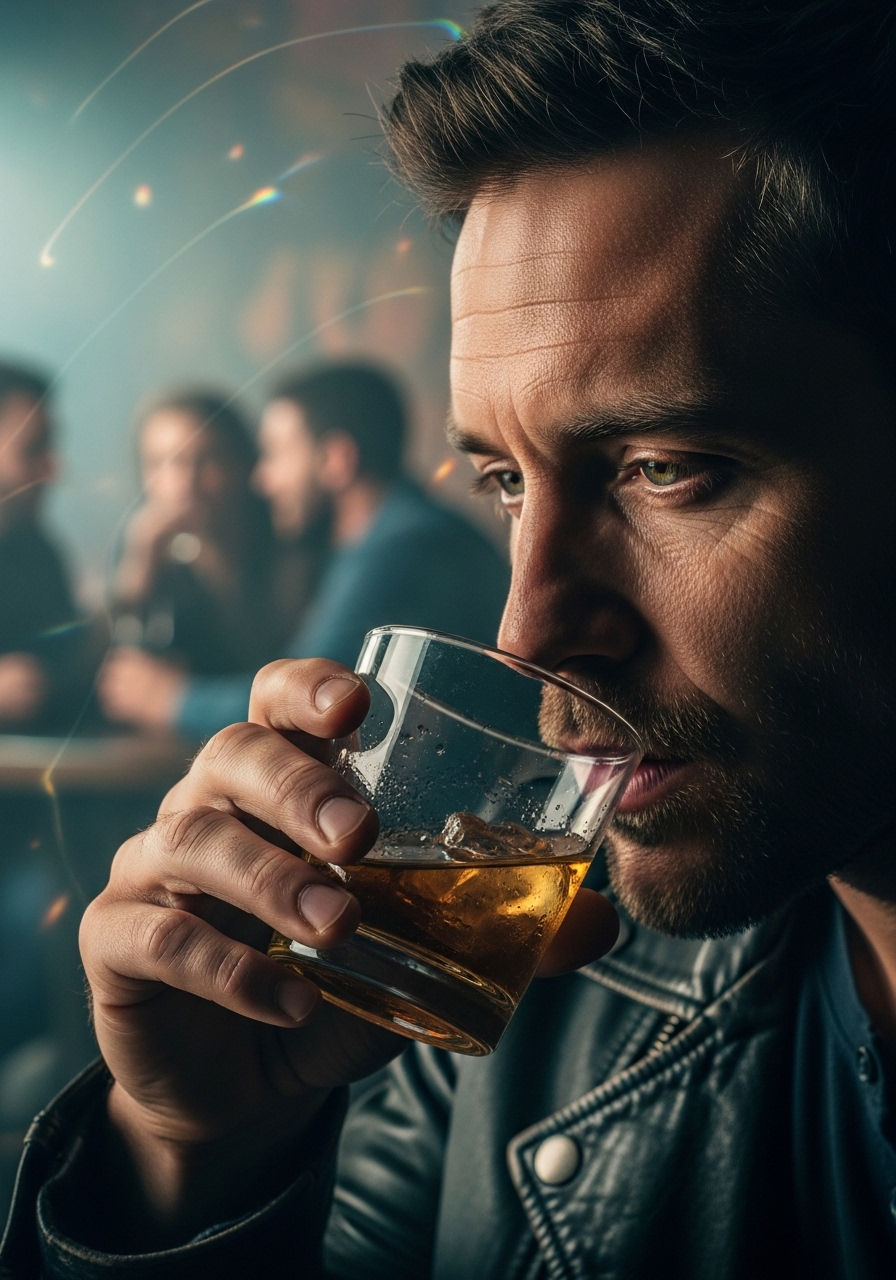
If you've been using alcohol as social fuel for years, the idea of navigating parties, work events, and first dates completely sober can feel legitimately impossible. You're not being dramatic. Social anxiety without alcohol is a real and specific challenge—and in a city like Austin, where drinking is practically a personality trait, it's especially disorienting. Awkward Recovery, a Joint Commission Gold Seal-accredited Intensive Outpatient Program (IOP) in South Austin, Texas, helps people build exactly this skill set. It's awkward at first. That's kind of the point.
Why Alcohol Becomes the Social Crutch
Social anxiety isn't just shyness. It's a pattern of intense fear and self-consciousness in social situations—often involving fear of judgment, embarrassment, or saying the wrong thing. According to the National Institute of Mental Health, social anxiety disorder is one of the most commonly diagnosed mental health conditions in the United States.
For people who struggle with it, alcohol works as a quick fix in a very specific way: it reduces the hypervigilance that characterizes social anxiety. The internal monologue quiets down. You stop monitoring yourself constantly. You feel like a version of yourself who can just exist in a room with other people.
Over time, this creates a dependency that isn't just physical—it's behavioral. Your brain learns that social situations require alcohol to function. When you try to show up sober, the anxiety comes back harder than before, and the absence of the crutch is immediate and obvious.
This is often part of a larger dual diagnosis picture, where anxiety and substance use are two sides of the same coin. Treating them separately doesn't work particularly well.
The bottom line: Social anxiety and alcohol use develop a reinforcing relationship over time. The brain starts treating drinking as a prerequisite for social functioning—which makes sober socializing feel like trying to run without legs you've forgotten you have.
The Truth About "Liquid Courage"
Here's what's actually happening when alcohol makes you feel more social. It's not giving you confidence. It's suppressing the part of your brain that's constantly monitoring threats and calculating social risk. That feels like confidence. But it's borrowed.
The problem with borrowed confidence is that you never actually build the real thing. If every social interaction where you felt okay happened with alcohol involved, you have zero evidence that you can do it sober. The anxiety stays intact underneath—and in some ways grows stronger, because you've never tested it.
Sober socializing forces you to actually build social skills and tolerance for discomfort. That sounds terrible. It kind of is, at first. But unlike liquid courage, the skills you build sober are yours. They compound. The 50th sober social event is dramatically easier than the fifth.
What Sober Socializing Actually Looks Like in Austin
Let's be honest about the Austin context. This city's social life is saturated with alcohol. Shows at Stubb's, live music on Red River, tech happy hours, SXSW, rooftop bars in SoCo—being sober in Austin means constantly navigating spaces designed around drinking.
That doesn't mean you can't be there. It means you need a different toolkit.
A few things that actually work:
Having a non-alcoholic drink in your hand removes the "why aren't you drinking?" social pressure almost immediately. Sparkling water with lime looks exactly like a vodka soda. You don't owe anyone an explanation, but having something to hold is genuinely useful.
Going with at least one person who knows you're sober changes the dynamic entirely. You're not white-knuckling it alone—you have backup. If that person is also in recovery, even better.
Having an exit plan removes the trapped feeling that amplifies anxiety. Knowing you can leave if you need to—and actually giving yourself permission to do so—takes significant pressure off the entire experience.
For deeper work on navigating sober social situations, the evidence-based therapies at Awkward Recovery include interpersonal skills as part of the clinical curriculum.
The bottom line: Sober socializing in Austin is harder because of the city's culture—not because you're broken. Practical strategies make the first few months manageable. The skills build from there.
Building Real Social Skills in Recovery
One of the underrated benefits of IOP treatment in Austin is that group therapy is, functionally, social skills practice in a low-stakes environment. You're talking about real things with real people, navigating conflict and connection, doing all of it sober. It's awkward. It's also exactly the kind of consistent exposure that builds genuine social tolerance over time.
Evidence-based approaches like Dialectical Behavior Therapy (DBT) specifically include interpersonal effectiveness skills—how to communicate clearly, hold your boundaries, navigate difficult conversations, and stay regulated when anxiety spikes. These translate directly to social situations outside of treatment.
SAMHSA's research on social support in recovery consistently identifies strong social connection as one of the most significant protective factors against relapse. Building those connections sober isn't just a lifestyle goal—it's foundational to sustained recovery.
When Anxiety Doesn't Improve on Its Own
If you've been sober for a while and social anxiety is still significantly limiting your life, that's information worth taking seriously. Anxiety disorders don't automatically resolve with sobriety. For some people, the anxiety was there before the drinking started—alcohol was just masking it.
Untreated anxiety in recovery is a meaningful relapse driver. The discomfort of social situations, the avoidance behavior that develops, the isolation that follows—these create exactly the conditions where drinking seems like the only way back in.
Getting clinical support for anxiety, rather than hoping sobriety will fix it on its own, is the move. Whether that's through an IOP that treats alcohol use and co-occurring anxiety together, or through individual therapy, the goal is the same: building an internal capacity to handle anxiety that doesn't depend on a substance.
The bottom line: Sobriety removes alcohol from the equation—but it doesn't automatically treat underlying anxiety. If social anxiety is limiting your life after getting sober, that's a clinical issue worth addressing directly, not a sign you're doing recovery wrong.
FAQs: Social Anxiety Without Alcohol
Q: Is social anxiety a real condition or just being shy?
A: Social anxiety disorder is a clinically recognized condition—and one of the most commonly diagnosed mental health issues in the US. It's significantly different from shyness in both intensity and impact. People with social anxiety often avoid situations entirely, rather than just feeling uncomfortable in them.
Q: How long does it take to feel comfortable socializing sober?
A: It varies, but most people find the acute discomfort starts to ease meaningfully between three and six months of consistent sober socializing. The key word is consistent—avoidance slows the process significantly. Showing up, even when it's uncomfortable, is the mechanism of change.
Q: What if I don't know anyone else who's sober?
A: Recovery communities are a real and accessible option—12-step groups, SMART Recovery, and sober social events exist specifically for this. You don't have to identify with any particular label to benefit from connecting with people who understand what navigating sober social life is actually like. Awkward Recovery also builds community as a core part of the program itself.
Q: What do I say when people ask why I'm not drinking?
A: You don't owe anyone an explanation. "I'm not drinking tonight," said confidently and without elaboration, shuts down 90% of questions. Most people are far less focused on your sobriety than anxiety makes you think they are.
Q: Can IOP help with social anxiety specifically?
A: Yes. Awkward Recovery's IOP addresses co-occurring conditions including anxiety as part of the dual diagnosis treatment model. Group therapy sessions also provide structured, supported practice with social situations—which is exactly what builds social confidence over time.
Q: Will I ever actually enjoy being social without drinking?
A: Most people who do the work say yes. It takes time, consistent exposure, and usually some clinical support for the underlying anxiety. But genuine enjoyment—without the hangover—is available. You just have to build it rather than borrow it.
If You or Someone You Know Is in Crisis
988 Suicide & Crisis Lifeline: Call or text 988
SAMHSA National Helpline: 1-800-662-4357 (free, confidential, 24/7)
Crisis Text Line: Text HOME to 741741
Ready to build a social life that doesn't depend on a drink? Call Awkward Recovery at (512) 616-0809 or reach out online. We're in South Austin, and we get it.


Comments