
How to Get Sober Without Wrecking Your Career.
Outpatient addiction treatment that protects your career: evening IOP, confidential scheduling, employer-friendly. Real recovery without burning your professional life down.
You're still showing up. Still clocking in, still hitting deadlines, still saying "I'm good" when people ask how you're doing. But somewhere between the morning alarm and the drink you pour the second you get home, you know something's off.
Awkward Recovery is a Joint Commission Gold Seal accredited Intensive Outpatient Program (IOP) under Atomic Souls Counseling in South Austin, Texas. We work with people every day who are holding it together on the outside while quietly falling apart on the inside. Teachers, bartenders, developers, nurses, freelancers—people whose jobs don't stop just because they need help.
So let's talk about the thing that's probably keeping you stuck: the fear that getting sober means losing everything you've built.
It doesn't. Here's why.
You Don't Have to Disappear to Get Help.
Most people picture addiction treatment as a 30-to-90-day lockdown in some facility where you hand over your phone and your life falls apart while you're gone. And honestly? For a lot of working people, that image alone is enough to keep them drinking.
Here's the thing—that's not your only option. Not even close.
Intensive outpatient programs exist specifically for people who can't press pause on their lives. IOP means structured, evidence-based treatment—typically three to five evenings per week, three to four hours per session—while you keep working, keep paying rent, keep showing up to the parts of your life that still need you.
You go to work during the day. You come to treatment in the evening. Nobody at your job needs to know unless you decide to tell them.
Key Takeaway: IOP is built for people who need to keep working during treatment. Evening sessions, HIPAA-protected privacy, and flexible scheduling mean you don't have to choose between your paycheck and getting better.
"High-Functioning" Is Not the Same as "Fine".
Let's be real about what high-functioning actually means. It means you've gotten really good at hiding it. You've figured out exactly how much you can drink and still make it to work the next morning. You know which coworkers to avoid on rough days. You've perfected the art of looking like you have your life together while privately wondering how long you can keep this up.
According to the [](https://www.niaaa.nih.gov/)National Institute on Alcohol Abuse and Alcoholism (NIAAA), roughly 19.5% of people with alcohol use disorder are what researchers call "functional"—holding jobs, maintaining relationships, keeping up appearances. That's nearly one in five. You're not some rare exception. You're a whole demographic that the treatment industry has historically ignored because you don't fit the stereotype.
The problem is that "functional" has an expiration date. What works at 25 stops working at 30. What you could bounce back from on a Monday morning starts bleeding into Tuesday, then Wednesday. Tolerance climbs. The window between "I want a drink" and "I need a drink" gets smaller. And by the time it becomes visible to other people, you've been struggling alone for way longer than you should have been.
Why Working People Put Off Getting Help.
The reasons are real, and we're not going to pretend they're not.
You're worried about your job. About what your boss will think if they find out. About missing shifts or falling behind on projects. Maybe you're in the service industry and your entire social life revolves around the bar you work at. Maybe you're a freelancer and there's no sick leave, no safety net—if you're not working, you're not eating.
Or maybe it's simpler than that. Maybe you just don't feel "bad enough." You're not sleeping under a bridge. You haven't lost your apartment. You still have friends. So who are you to take up space in a treatment program?
Here's who you are: someone whose relationship with substances is getting worse, not better. And waiting until things get worse before getting help is like waiting until your car catches fire before changing the oil. You don't have to hit some imaginary bottom. If it's affecting your life—your sleep, your anxiety, your relationships, your sense of control—that's enough.
Key Takeaway: You don't need to be in crisis to deserve help. If substances are making your life harder, messier, or smaller than it should be, that's enough reason to have a conversation about what's going on.
What Treatment Actually Looks Like When You Have a Job.
Let's get specific, because "flexible treatment" doesn't mean anything if you don't know what it actually looks like on a Tuesday.
At Awkward Recovery, IOP sessions run in the evening—after business hours, after your shift, after whatever your workday looks like. A typical week includes group therapy 3 to 5 nights each week with people who get it (not a room full of strangers staring at their shoes), individual counseling once each week, and skill-building that gives you actual tools for managing stress, cravings, and the emotional crap that's been driving the substance use in the first place.
The clinical approaches are evidence-based. Cognitive Behavioral Therapy (CBT) helps you recognize the thought patterns that keep you stuck. Dialectical Behavior Therapy (DBT) builds the emotional regulation skills you probably never learned—because most of us didn't. This isn't a lecture series. It's practical, it's conversational, and it's designed for people who are smart enough to know they need help but skeptical enough to want proof it works.
The program runs 12 weeks depending on where you are and what you need. You can learn more about how IOP works at Awkward Recovery and what a typical week looks like.
Your Boss Doesn't Get to Know.
This is the part people need to hear the most, so let's be clear: your employer has no right to your treatment information. None.
HIPAA protects all medical records, and addiction treatment gets an extra layer of federal protection under 42 CFR Part 2. That means your treatment records can't be shared with your employer, your coworkers, your landlord, or anyone else without your specific written consent. [](https://www.awkwardrecovery.com/)Awkward Recovery will never contact your workplace. Period.
Treatment doesn't show up on standard background checks. It doesn't get flagged on employment screenings. Your privacy isn't a suggestion—it's federal law.
And here's the flip side that nobody talks about: the Americans with Disabilities Act (ADA) actually protects people who are seeking treatment for substance use disorders. You can't legally be fired for getting help. The bigger career risk isn't treatment—it's what happens when untreated substance use eventually catches up with you at work. A DUI. A health emergency. A slow erosion of performance that ends in a conversation you didn't choose to have.
Key Takeaway: Treatment records are federally protected and invisible to employers and background checks. The real career risk isn't getting help—it's what happens when you don't.
Austin Makes This Harder. We Get That..
Austin's entire social infrastructure runs on alcohol. Happy hours, networking events, first dates, live music, SXSW, ACL, every single brunch on South Congress—it all revolves around drinking. If you're in the service industry, you're literally surrounded by it every shift. If you're in tech, the office might have a beer fridge. If you're a creative, the culture says substances are part of the process.
It's a pain in the ass to get sober in a city that treats drinking like a personality trait.
But that's also exactly why Awkward Recovery exists in South Austin. Traditional treatment programs feel clinical, sterile, disconnected from reality. We're not that. This is a community of people who live and work in this city, who understand the specific pressures of Austin's culture, and who are doing the messy, awkward, honest work of getting better without pretending it's easy.
Whenever You're Ready.
You don't have to have it all figured out to make a call. You don't have to be sure. You don't even have to be ready—just ready to talk.
Call (512) 616-0809 for a confidential conversation. No commitment, no pressure, no one contacting your employer. Awkward Recovery currently works with Tricare insurance, and the team can walk you through what coverage looks like for your situation.
The people who reach out almost always say the same thing: "I should've done this sooner." Not because treatment is a magic fix—it's not. But because carrying this alone is exhausting, and you don't have to do it anymore.
Reach out when you're ready. We'll be here.
Frequently Asked Questions.
Q: Do I have to stop working to go to treatment?
A: Nope. That's the whole point of IOP—it's designed to fit around your work schedule, not replace it. Sessions at Awkward Recovery run in the evenings so you can keep your job, your routine, and your income while getting treatment.
Q: What if I work nights or have a weird schedule?
A: We get it—not everyone works 9-to-5. Talk to our team about your specific schedule. IOP programming is built with flexibility in mind, and your treatment plan is individualized to your life, not a one-size template.
Q: Will my boss or coworkers find out?
A: No. Federal law—HIPAA plus 42 CFR Part 2—protects your treatment records. Your employer can't access them, and we'll never contact your workplace without your explicit written consent. This is between you and your treatment team.
Q: I'm not sure I'm "bad enough" for treatment. Is this for me?
A: You don't have to hit some imaginary rock bottom to deserve support. If substances are affecting your sleep, your relationships, your stress levels, or your sense of control, that's enough. Let's just talk about where you are—no pressure, no judgment.
Q: What actually happens in IOP?
A: Group therapy, individual counseling, and evidence-based skill-building—things like CBT and DBT that give you real tools, not just encouragement. It's structured but conversational. Think less "sterile clinical environment" and more "a room of people who actually get it."
Q: Will treatment show up on a background check?
A: No. Addiction treatment records get special federal protections under 42 CFR Part 2, which are stricter than standard HIPAA. They don't appear on background checks and can't be disclosed without your specific written consent.
Q: How long does the program last?
A: IOP typically runs 12 weeks, with evening sessions three to five days per week. Your treatment plan is personalized based on your progress and needs—not an arbitrary timeline.
Q: I've never done therapy before. Is this going to be weird?
A: Honestly? Yeah, a little—especially at first. But that's kind of the point. We're called Awkward Recovery for a reason. Most people find that after a session or two, it feels less like "therapy" and more like real conversations with people who understand what you're going through.
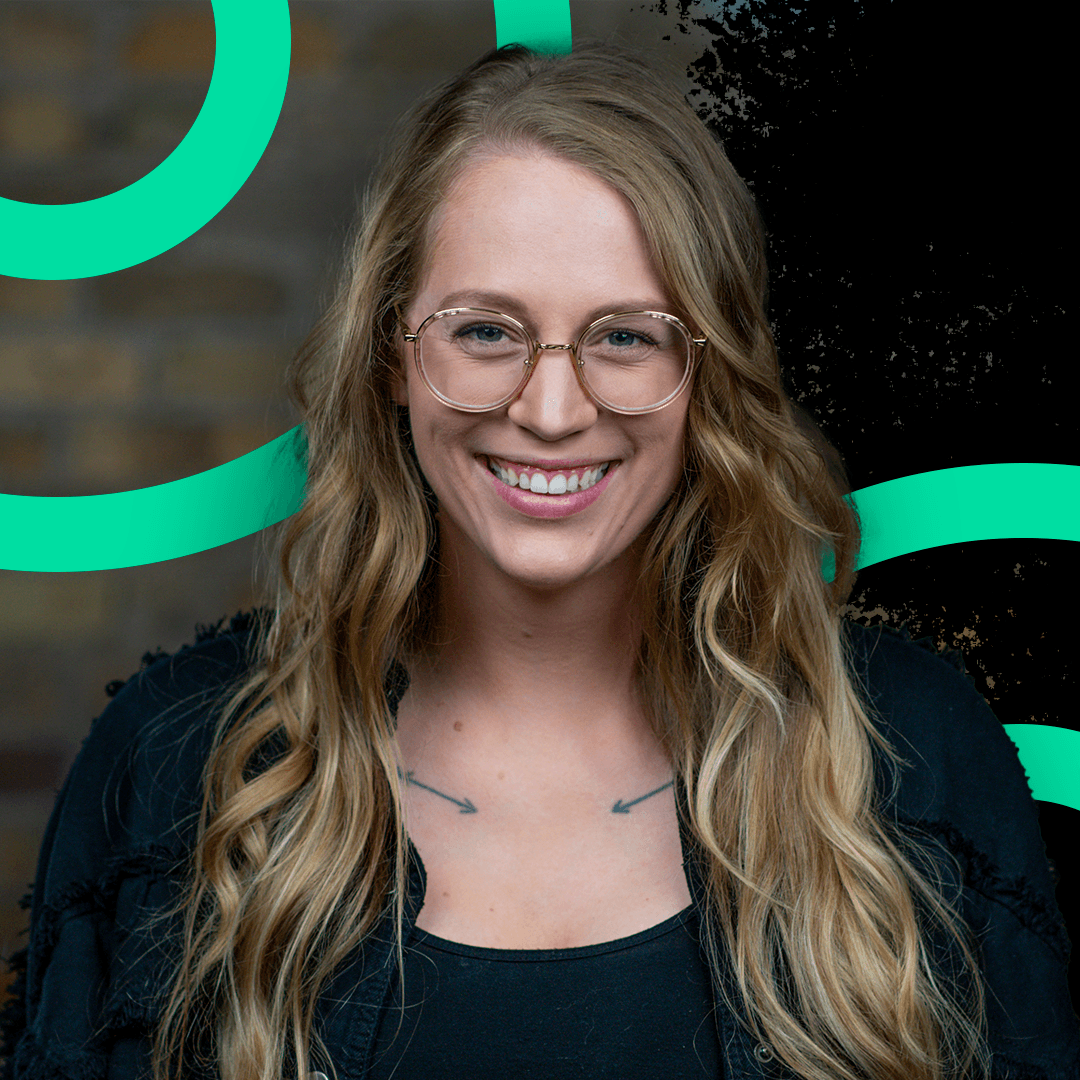
Rachel Stein.
For more than a decade, Rachel has walked alongside clients as a clinician — challenging when it matters and helping them build a life worth staying sober for. Trained in EMDR, DBT, and TF-CBT, she has built multiple intensive outpatient programs and curriculums from the ground up, and she leads the supervision structure that keeps the team accountable.
- EMDR, DBT & TF-CBT
- Addiction + co-occurring mental health
- IOP program design
- Trauma-informed practice
- LGBTQIA+ affirming care