
Evening IOP in Austin: Recovery That Doesn't Cost You Your Job.
Evening intensive outpatient program in Austin — clinical recovery that fits around a 9-to-5. No need to disclose to your employer. (512) 616-0809.
Nobody wants to tell their boss they need a month off for rehab. That's a conversation most people avoid until they can't anymore.
Maybe you've been putting off getting help because you can't lose your job. Maybe you've told yourself things aren't "bad enough" yet. Or maybe you just don't want everyone at work knowing your business.
Here's the thing: you don't have to choose between your career and getting better. Evening IOP exists for people like you. Working professionals in Austin who need real treatment but can't disappear for 30 days.
At Awkward Recovery, we built our evening [](https://www.awkwardrecovery.com/our-programs/intensive-outpatient-program)Intensive Outpatient Program around one simple idea. Most people who need help are still going to work, paying rent, and trying to hold their lives together. Treatment should fit into your life. Not blow it up.
Why Traditional Treatment Doesn't Work for Most People.
The 30-day residential model assumes you can drop everything. Your job, your bills, your whole life. Just disappear into a facility. Some people need that. But for most working professionals, it's not realistic.
FMLA protects your job. It doesn't protect your projects, your clients, or your reputation. Taking a month off usually means explaining yourself to coworkers. Losing momentum. Watching opportunities go to someone else. And that's if your employer even offers FMLA. A lot of Austin startups don't.
This puts you in a crappy spot. The same success that lets you keep functioning becomes the thing stopping you from getting help. You've got too much to lose. So you keep putting it off.
But here's what nobody tells you: you don't have to wait until everything falls apart. That's not a rule. It's just a story people tell themselves to avoid doing the hard thing now.
Key Takeaway: You don't need to hit "rock bottom" or quit your job to get help. Evening IOP lets you start treatment while your life is still together.
How Evening IOP Works.
Evening IOP is simple. It's intensive treatment scheduled after work hours. At Awkward Recovery, we meet from 6:00 PM to 9:00 PM, three nights a week. You work during the day. You come to treatment at night.
Don't confuse "outpatient" with "easy." IOP gives you 9-12 hours of real therapy each week. The same proven methods used in residential programs. Research from the [](https://nida.nih.gov/publications/principles-drug-addiction-treatment-research-based-guide-third-edition)National Institute on Drug Abuse shows outpatient treatment works just as well as inpatient treatment for many people. Especially if you have stable housing and some support in your life.
Our evening IOP includes:
- Group therapy focused on skills you'll actually use
- One-on-one counseling with licensed clinicians
- Evidence-based treatment like CBT, DBT, and trauma-informed care
- Support for mental health issues alongside addiction through our [](https://www.awkwardrecovery.com/articles/dual-diagnosis-treatment-austin)dual diagnosis program
- Relapse prevention that fits your real schedule
- A community of people who get what it's like to hold it together at work while struggling everywhere else
- Case Management for real life help
- Transportation & Housing via trusted partners
Key Takeaway: Evening IOP provides 9-12 hours of intensive treatment per week—the same evidence-based methods as residential programs—scheduled around your work day.
Who This Is For.
Evening IOP isn't right for everyone. If you need detox or 24-hour care, you should start at a higher level. But evening IOP works well for people who:
- Have a stable place to live
- Can stay safe between sessions
- Need structured help but can't take time off work
- Are stepping down from residential or PHP
- See that substance use is becoming a problem and want to deal with it now
- Want real treatment that respects their professional life
A lot of our clients are people you'd never guess were in treatment. Software engineers. Lawyers. Nurses. Restaurant managers. Accountants. People who look fine on the outside but are struggling on the inside.
You're not alone in this.
Key Takeaway: Evening IOP works best for people with stable housing who can stay safe between sessions—whether you're catching a problem early or stepping down from a higher level of care.
Why Austin Makes This Harder.
This city runs on drinking. Happy hours. Networking events. Product launches. Surviving SXSW. Layoffs. There's always a reason to drink in Austin. Tech culture makes heavy drinking feel normal. It's hard to see when you've crossed a line.
If you work in restaurants or bars—and tons of people in Austin do—you're around drugs and alcohol all night. Late shifts become normal. Drinking after work feels like the only way to unwind. When you're pouring drinks until 2 AM, the line between social drinking and a real problem gets blurry fast.
Then there's festival season. ACL. SXSW. Shows on South Congress and 6th Street every weekend. Austin feels like one long party. If you're trying to cut back or quit, that's exhausting. It's like dieting while living in a bakery.
We get this. Our evening IOP isn't going to pretend you can avoid every bar on South Lamar. That's not how Austin works. Instead, we help you build real strategies for living in this city while staying on track. We've written about [](https://www.awkwardrecovery.com/articles/austin-social-scene-recovery)navigating Austin's social scene in recovery because we know how real this challenge is.
According to [](https://www.samhsa.gov/data/report/2022-nsduh-annual-national-report)SAMHSA's National Survey on Drug Use and Health, Texas consistently ranks among states with higher rates of substance use disorders—and urban areas like Austin see even higher numbers. You're not imagining that this city makes recovery harder.
Key Takeaway: Austin's bar-centric culture and tech industry drinking and substance use norms make recovery uniquely challenging. Our IOP addresses this head-on with strategies for thriving in this city—not avoiding it.
What Makes Awkward Recovery Different.
Most treatment centers feel sterile. Fluorescent lights. Motivational posters. A vibe that says "you're broken."
That's not us.
Awkward Recovery is for people who don't fit the typical treatment mold. Our space in South Austin feels like a community spot, not a clinic. We use proven methods, but we talk to you like an adult. Not like a case number.
We're Joint Commission Gold Seal accredited. That means we meet the highest standards for behavioral healthcare. But being good at what we do doesn't mean we have to be stiff about it. Our clinicians are skilled professionals who also understand that recovery is messy. It's awkward. It doesn't follow a straight line. That's kind of our whole point.
If you're dealing with anxiety, depression, or PTSD along with addiction, our [](https://www.awkwardrecovery.com/articles/dual-diagnosis-treatment-austin)dual diagnosis treatment handles both at the same time. Treating addiction without dealing with mental health is like mopping the floor while the sink overflows.
Key Takeaway: Joint Commission accredited doesn't mean sterile. We meet the highest clinical standards while treating you like a person, not a diagnosis.
What You Need to Know.
Insurance: We take Triwest, BCBS, Cigna, Baylor Scott and White, Aetna & Curative. We're working on adding more. Our team can check your benefits on your first call and talk through options.
Location: South Austin. Easy to get to from Travis Heights, Zilker, Barton Hills, and downtown. Parking is free. We're near public transit too.
How Long: Most people are in evening IOP for 8-12 weeks. It depends on how you're doing. We don't just cut you off when time's up. We step you down gradually. Learn more about [](https://www.awkwardrecovery.com/articles/iop-treatment-duration-austin)how long IOP treatment typically lasts.
Privacy: Federal law gives addiction treatment records extra protection under [](https://www.samhsa.gov/about-us/who-we-are/laws-regulations/confidentiality-regulations-faqs)42 CFR Part 2. Your employer can't see anything without your written permission. We take this seriously.
Frequently Asked Questions.
Can I really keep working during IOP?
Yes. That's the whole point. Sessions are after work hours. A lot of our clients never tell their employer. They just have "evening plans" a few nights a week.
How long is the program?
Usually 8-12 weeks. Three nights a week. Three hours per session. About 9-12 hours total each week. It's a real commitment, but it's built around your work schedule.
What if my schedule changes a lot?
We get it. Startups and service jobs don't respect 9-to-5. We work around occasional conflicts. What matters is showing up consistently, not perfect attendance. If your schedule is weird, just tell us. We'll figure it out. We are starting a day time program in the coming months to help with those who work evenings
Is IOP as good as residential treatment?
For the right people, yes. Studies show outpatient works just as well for people with stable housing and support. IOP isn't a watered-down version of treatment. It's a different way to get the same help. Read our breakdown of [](https://www.awkwardrecovery.com/articles/iop-vs-residential-treatment-austin)IOP vs. residential treatment to see which fits you.
Will my boss find out?
Not unless you tell them. Addiction records have stronger privacy protections than regular medical records. We can't confirm you're here to anyone—employers, insurance, family—without your written okay.
What's the difference between IOP and regular therapy?
Hours. Regular therapy is maybe one hour a week. IOP is 9-12 hours weekly. Group sessions, individual counseling, skills training. It's a big step up from weekly therapy.
What if I also struggle with anxiety or depression?
Most people dealing with addiction also have mental health challenges. That's why we offer [](https://www.awkwardrecovery.com/articles/dual-diagnosis-treatment-austin)dual diagnosis treatment that addresses both issues together—because you can't fully recover from one while ignoring the other.
Taking the First Step.
If you've been putting this off because you didn't know how to make it work with your job, evening IOP might be your answer. You don't have to lose everything first. You can get help while your life is still together.
Life's a bitch sometimes. And sometimes we just need a little help.
Call us at (512) 616-0809 to talk about whether evening IOP is right for you. No pressure. Just a real conversation about your options.
You can also [](https://www.awkwardrecovery.com/contact-us)contact us online to set up an assessment. We'll check your insurance, answer questions, and figure out next steps together.
Recovery doesn't have to mean losing your career. It can mean saving it.
If you or someone you know is in crisis:
- National Suicide Prevention Lifeline: 988 (call or text)
- SAMHSA National Helpline: 1-800-662-4357
- Crisis Text Line: Text HOME to 741741
- Local Emergency: 911
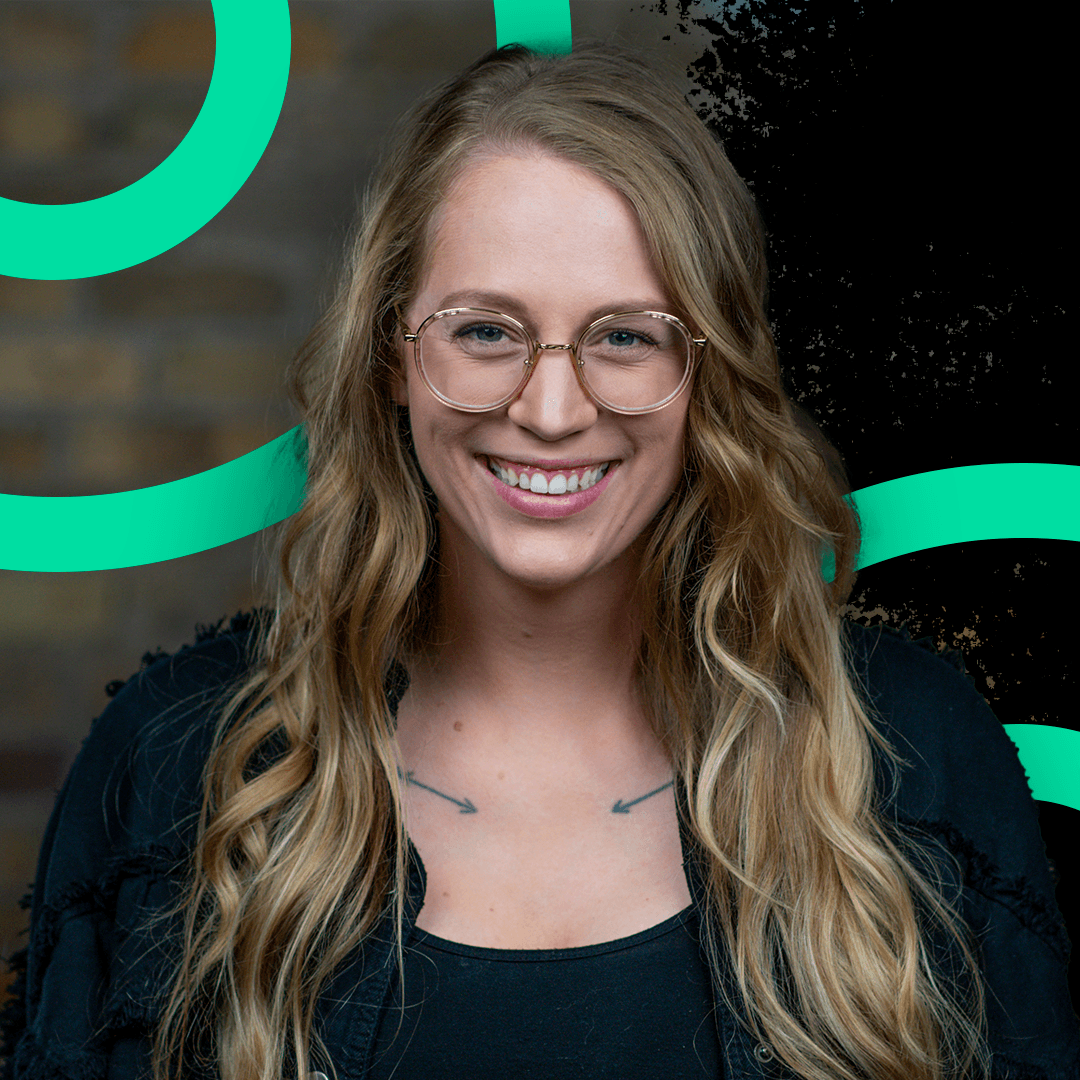
Rachel Stein.
For more than a decade, Rachel has walked alongside clients as a clinician — challenging when it matters and helping them build a life worth staying sober for. Trained in EMDR, DBT, and TF-CBT, she has built multiple intensive outpatient programs and curriculums from the ground up, and she leads the supervision structure that keeps the team accountable.
- EMDR, DBT & TF-CBT
- Addiction + co-occurring mental health
- IOP program design
- Trauma-informed practice
- LGBTQIA+ affirming care