
LGBTQ+ Friendly Recovery in Austin: Finding Your People.
"LGBTQ+ friendly" is the recovery world's participation trophy. Here's how to tell affirming from friendly in Austin — and what to ask before you trust anyone.
A rainbow sticker on the front door tells you exactly one thing: somebody bought a sticker. It does not tell you whether the group goes quiet when you mention your partner. It does not tell you whether the counselor has ever worked with a trans client without treating your identity as the problem to solve. "LGBTQ+ friendly" has become the recovery world's participation trophy. When you are trying to get sober, friendly is not the bar. Affirming is.
Why This Matters (The Part Most Programs Skip).
Here is the research in plain language: LGBTQ+ people use substances at higher rates than straight, cisgender people. Not because of anything inherent — because of minority stress. Minority stress is the chronic, grinding load of being othered: hiding, scanning the room, family that "tolerates" you, a thousand small braces-for-impact a day. Substances are a very effective short-term off switch for all of that. Any program that treats your drinking or using as the whole story, without touching why the off switch got so appealing, is going to keep losing to the off switch.
It is not "you have an addiction and, separately, you are queer." The two got wired together over years of stress you did not ask for.
A program that cannot talk about that fluently is asking you to recover with one hand tied behind your back.
Key Takeaway: LGBTQ+ substance use isn't about identity — it's about the chronic stress of being othered. A program that can't connect those two things is missing the point.
Friendly Versus Affirming — The Actual Difference.
Friendly is passive. Nobody is hostile. You are "welcome." You are also the only one explaining what your life is like, every session, to a room that means well and does not get it.
Affirming is active:
Clinicians who have done real LGBTQ+ clinical work — not a single training back in 2014.
Intake paperwork that does not force you into boxes that erase you.
Groups where you are not the teaching example.
An understanding that family work might mean chosen family.
Nobody treating your identity as a relapse trigger to manage instead of a part of you to support.
If you have to educate your treatment team about your own life, that is not treatment. That is you working a second job during the hardest thing you have ever done.
Key Takeaway: Friendly means nobody is hostile. Affirming means you are not the one doing the teaching. There is a real difference, and you can feel it within one session.
Finding Your People in Austin.
Austin makes this easier than most places, and that matters more than people admit. Recovery is not a solo sport. The thing that actually keeps people sober long-term is connection, and connection hits different when the room genuinely gets you. A few real anchors here:
Queer-specific recovery and 12-step meetings exist in Austin. Ask for them by name. "Do you have LGBTQ+ meetings?" is a fair screening question, not a rude one.
Community outside the clinical hour. The hour in group is not where recovery lives or dies — the other 167 hours are. Austin has queer sober social scenes: sober dances, coffee crews, outdoor groups. That is not a side quest. That is the point.
Programs that connect you out, not just in. A good Austin program should be plugging you into that community, not keeping you contained inside its own building.
Key Takeaway: The people you spend time with outside of group do more for your recovery than the people inside it. A program that does not connect you outward is not really doing its job.
What to Ask Before You Trust Anyone With This.
You are allowed to interview them. You should. Questions that get real answers:
What specific training and experience does your clinical team have with LGBTQ+ clients? (A vague answer is your answer.)
How do you handle family work if my family is not safe or not in the picture?
Are there other queer clients in your program right now, or would I be the only one?
What happens in group if someone says something homophobic or transphobic?
How do you connect clients to LGBTQ+ recovery community outside of here?
The goal is not a perfect score. It is whether they can answer without getting defensive or doing the verbal equivalent of pointing back at the sticker.
Key Takeaway: Ask the questions. A program that can answer without flinching is the one worth your time.
Where Awkward Fits.
We run an intensive outpatient program — IOP, meaning real structured treatment several days a week while you keep living your actual life, not thirty days locked away from it — here in Austin. We are not going to tell you we are "LGBTQ+ friendly," because you already know what that is worth. What we will tell you: we treat the stress and the using as the connected thing they are, we do not make you your own translator, and we would rather connect you to your people than keep you to ourselves. If that is the kind of recovery you have not been able to find, that is the conversation to have.
You do not need a friendlier sticker. You need a room that gets it and people who have been there. Both exist in Austin. Hold out for them.
Whenever You're Ready.
Call (512) 616-0809 for a real conversation — no pressure, no sales pitch, no rainbow-sticker speech. Tell us what you have tried and what has not worked. If we are a fit, we will say so. If we are not, we will tell you that too, and point you toward someone who is.
The right room exists. So do the right people. Reach out when you want to find them.
Frequently Asked Questions.
Q: What does "affirming" actually mean in recovery?
A: A program where your identity is supported as part of you, not managed as a risk — staff with real LGBTQ+ clinical experience, and community connection built into the plan.
Q: Is substance use really higher among LGBTQ+ people?
A: Yes, and it tracks with minority stress — the chronic strain of being othered — not with identity itself.
Q: Do I have to be out to get help?
A: No. A good program meets you where you are, with your safety as the priority. Being out is never a prerequisite for treatment.
Q: What is an IOP?
A: Intensive outpatient program: structured treatment multiple days a week while you keep living at home and working. A step up from weekly therapy, a step down from residential.
Q: How do I find LGBTQ+ recovery meetings in Austin?
A: Ask programs and local recovery organizations directly for LGBTQ+-specific meetings. Austin has them, and asking is a legitimate screening question.
Q: What if my family is not safe or not in the picture?
A: An affirming program builds family work around chosen family — the people who actually show up — instead of forcing a model that does not fit your life.
Q: How do I screen a program before I commit?
A: Ask specific questions: clinical training with LGBTQ+ clients, whether other queer clients are currently in the program, and how the team handles homophobic or transphobic comments in group. The quality of the answer tells you everything.
Q: Why does Austin matter here?
A: Recovery depends on community, and Austin has a real queer sober scene — meetings, social groups, outdoor crews. A good program connects you to it instead of keeping you contained in its own building.
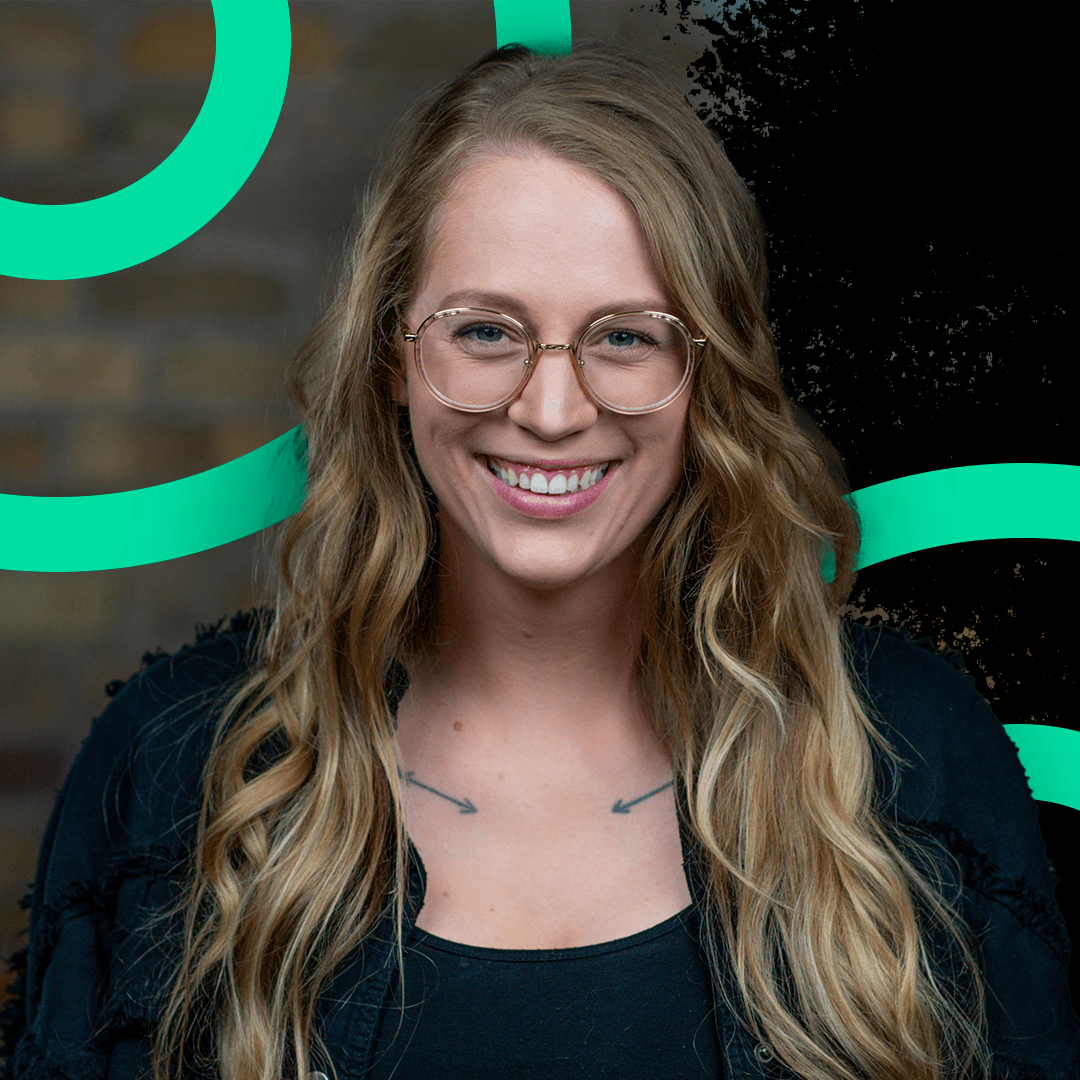
Rachel Stein.
For more than a decade, Rachel has walked alongside clients as a clinician — challenging when it matters and helping them build a life worth staying sober for. Trained in EMDR, DBT, and TF-CBT, she has built multiple intensive outpatient programs and curriculums from the ground up, and she leads the supervision structure that keeps the team accountable.
- EMDR, DBT & TF-CBT
- Addiction + co-occurring mental health
- IOP program design
- Trauma-informed practice
- LGBTQIA+ affirming care