
Chosen Family in Recovery: Why the People You Pick Matter Most.
Sometimes the family you were born into is the worst place for your recovery. How to build a chosen family that holds you up. Austin IOP.
Here's an uncomfortable truth nobody talks about in recovery circles: sometimes the family you were born into is the last group of people who should be part of your healing journey. And sometimes the people who show up for you—really show up—are the ones you never expected.
Chosen family isn't just a feel-good concept for people with difficult childhoods. It's a survival strategy. It's the recognition that blood doesn't automatically equal healthy, that shared DNA doesn't guarantee someone understands what you're going through, and that the people who actually support your recovery might look nothing like what you imagined.
This matters because recovery doesn't happen in isolation. Research consistently shows that social support is one of the strongest predictors of long-term sobriety. But here's the catch: the wrong kind of support can be just as damaging as no support at all.
The Difference Between Enabling and Actual Support.
Let's get something straight: there's a massive difference between helping someone and enabling them. And most families have no idea which one they're doing.
Enabling looks like love. It feels like love. The person doing it genuinely believes they're helping. But enabling is essentially removing consequences—paying for things that shouldn't be paid for, making excuses that shouldn't be made, covering up problems that need to see the light of day. It keeps the person comfortable in their dysfunction because someone else is absorbing all the impact.
Real support is harder. Real support means letting someone feel the weight of their choices while still communicating that you care about them. It means saying "I love you AND I'm not going to bail you out of this one." It means being present without being a safety net that prevents necessary growth.
According to [](https://www.samhsa.gov/families)SAMHSA's resources for families, family support plays a major role in recovery outcomes—but the key word is support, not rescue. There's a difference between walking alongside someone and carrying them so they never have to use their own legs.
The tricky part? Most enabling comes from genuine love and fear. Parents who've spent decades protecting their children don't know how to stop. Partners who've built their identity around being the responsible one don't know who they are if they're not cleaning up messes. Siblings who've always been the fixer don't know how to let someone struggle.
But enabling ultimately communicates: "I don't believe you can handle this." And that message gets internalized. The person being enabled starts to believe it too.
Codependency vs. Interdependence: Know the Difference.
Here's where it gets even messier. Codependency is one of those words that gets thrown around so much it's almost lost meaning. But understanding the difference between codependency and healthy interdependence is crucial—especially in recovery.
Codependency is when your sense of self becomes wrapped up in another person's wellbeing to the point where you lose yourself. You don't know how you feel until you know how they feel. You don't know what you want until you know what they need. Your entire emotional state depends on whether they're okay or not okay on any given day.
Interdependence is different. It's mutual support between two whole people who each have their own identity, their own boundaries, and their own sense of self. They can be there for each other without becoming enmeshed. They can care deeply without taking responsibility for things that aren't theirs to carry.
In recovery, this distinction matters because codependent relationships often fueled the addiction in the first place. The person using substances becomes dependent on someone else managing their life. The person managing becomes dependent on being needed. Neither person develops the skills to function as a complete individual.
Healthy chosen family relationships are interdependent. They say: "I'm here for you, and I trust you to handle your own stuff. I'll support you, but I won't do your work for you."
Our [](https://www.awkwardrecovery.com/clinical-program)clinical program addresses these family dynamics directly—not just for the person in recovery, but for the whole system that surrounds them. Because addiction doesn't happen in a vacuum, and neither does healing.
Why Blood Family Sometimes Can't Be Your Recovery Family.
This is the part that feels taboo to say out loud: sometimes your biological family is actively harmful to your recovery. And acknowledging that isn't betrayal—it's survival.
Maybe your family still doesn't believe addiction is a real thing. Maybe they minimize your struggles or dismiss your need for treatment. Maybe they're still using substances themselves and being around them puts your sobriety at risk. Maybe the trauma that contributed to your addiction happened within your family, and healing requires distance.
None of this makes them bad people necessarily. But it might make them bad for your recovery. And recognizing that difference is one of the hardest but most important things you can do.
Chosen family becomes essential here. These are the people who understand what you're going through—not because they read about it, but because they've lived something similar. They're the people in your support groups who actually get it. The friends who respect your boundaries without making you explain yourself. The mentors who've walked this path before and can tell you what the next part looks like.
For those dealing with [](https://www.awkwardrecovery.com/articles/dual-diagnosis-treatment-austin)dual diagnosis—both mental health and substance use challenges—this becomes even more critical. You need people around you who understand that both conditions are real, that both require treatment, and that recovery isn't as simple as "just stop using."
Building Your Chosen Family (Without Being Weird About It).
So how do you actually build a chosen family when you're in recovery? It's not like you can put out an ad: "Looking for emotionally healthy humans who understand addiction and won't judge me."
But there are practical approaches:
Show up consistently in recovery spaces. Whether it's support groups, [](https://www.awkwardrecovery.com/our-programs/intensive-outpatient-program)IOP programs, community events, or other recovery-focused activities, the relationships that matter develop over time. You can't manufacture depth, but you can create opportunities for it.
Look for people who do what they say. Chosen family isn't about who says the right things—it's about who shows up when showing up is inconvenient. Pay attention to actions over words.
Get comfortable with reciprocity. Healthy relationships aren't one-directional. If you're always taking support or always giving it, something's off. Chosen family means being there for each other, which requires both people to be vulnerable.
Respect boundaries—yours and theirs. The healthiest relationships are between people who know where they end and the other person begins. If someone sets a boundary, respect it. If you need to set one, communicate it clearly.
Let relationships develop organically. Not everyone in your recovery community will become chosen family. That's okay. Some people are meant to be acquaintances, some are meant to be friends, and some become that deeper level of family. Don't force it.
The [](https://www.samhsa.gov/find-help/national-helpline)SAMHSA National Helpline (1-800-662-4357) can help connect you with local support groups and resources where you can start building these connections. It's free, confidential, and available 24/7.
What Healthy Support Actually Looks Like.
If you're not sure whether the support you're receiving (or giving) is healthy, here are some markers:
Healthy support sounds like:
- "I believe in your ability to get through this."
- "I'm here if you need to talk, and I respect if you don't."
- "What do you need from me right now?"
- "I won't pretend everything is fine when it's not."
- "Your recovery is your responsibility, and I'm cheering for you."
Unhealthy support sounds like:
- "Let me handle this for you."
- "I won't tell anyone about this."
- "You can't do this without me."
- "If you really loved me, you would..."
- "I'll always be here no matter what you do." (with no boundaries attached)
The difference is subtle but critical. Healthy support maintains both people's dignity and autonomy. Unhealthy support creates dependency, either on a person or on a pattern.
Grieving the Family You Needed vs. Building the Family You Have.
Part of recovery often involves grieving—not just the substances or behaviors, but the family relationships you wished you had. The parents who couldn't show up the way you needed. The siblings who didn't understand. The childhood that was shaped by dysfunction.
This grief is valid. It's not dramatic or self-pitying—it's necessary. You have to acknowledge what was missing before you can fully appreciate what you're building now.
But here's the hopeful part: chosen family can meet needs that biological family couldn't. Not in a way that erases the original wound, but in a way that proves you're worthy of the support you always deserved. That proof matters. It rewires something deep in your brain about what you're worth and what you can expect from relationships.
Recovery isn't just about stopping a behavior. It's about building a life worth staying sober for. And a huge part of that life is the people in it—the ones who see you clearly, who support your growth, and who you'd call at 2 AM if things got rough.
Those people might share your last name. Or they might be the ones you met in a church basement, a treatment center, or an awkward first group therapy session. Either way, they're your people. And that's what matters.
Frequently Asked Questions.
What is chosen family in addiction recovery?
Chosen family refers to the supportive relationships you intentionally build, as opposed to the family you were born into. In addiction recovery, chosen family often includes sponsors, support group members, sober friends, therapists, and others who understand your journey and support your sobriety without enabling harmful patterns.
What's the difference between enabling and supporting someone in recovery?
Supporting someone means being present and encouraging their growth while allowing them to experience natural consequences and do their own work. Enabling means removing consequences, making excuses, or doing things for them that prevents them from developing their own coping skills. Support builds independence; enabling maintains dependence.
How do I know if I'm in a codependent relationship?
Signs of codependency include: your emotional state depending entirely on another person's wellbeing, difficulty identifying your own needs or feelings, sacrificing your boundaries to avoid conflict, feeling responsible for another person's choices, and losing your sense of identity outside the relationship. Healthy interdependence maintains individual identities while offering mutual support.
Can I recover if my biological family isn't supportive?
Yes. While family support improves recovery outcomes, many people successfully recover by building chosen family networks that provide the support their biological family cannot. This might include support groups, recovery communities, mentors, therapists, and friends who understand and respect your recovery journey.
How do I set boundaries with family members who enable my addiction?
Start by clearly communicating what you need for your recovery and what behaviors are harmful. Be specific about what you're asking them to stop doing (or start doing). Accept that you can't control their response—you can only control your own boundaries. If necessary, limit contact with family members whose behavior threatens your sobriety.
Where can I find support groups to build chosen family connections?
Options include 12-step programs like AA or NA, SMART Recovery meetings, therapy groups, intensive outpatient programs (IOPs), faith-based recovery groups, and online recovery communities. SAMHSA's National Helpline (1-800-662-4357) can help you find local resources and support groups in your area.
Go Deeper.
We explored the nuances of family dynamics, enabling versus support, and building your recovery tribe on the Atomic Souls Podcast. It's a real conversation about the complicated relationship between blood family, chosen family, and what actually helps in recovery.
Looking for Support in Austin?.
If you're navigating recovery and looking for a community that gets it—where you can build real connections with people who understand—Awkward Recovery offers an intensive outpatient program (IOP) in South Austin. We focus on building authentic support systems and addressing the family dynamics that impact recovery.
This content shares perspectives on mental health and recovery. It's not a substitute for professional help. If you're struggling, reach out to a mental health professional.
Crisis support: 988 Suicide & Crisis Lifeline
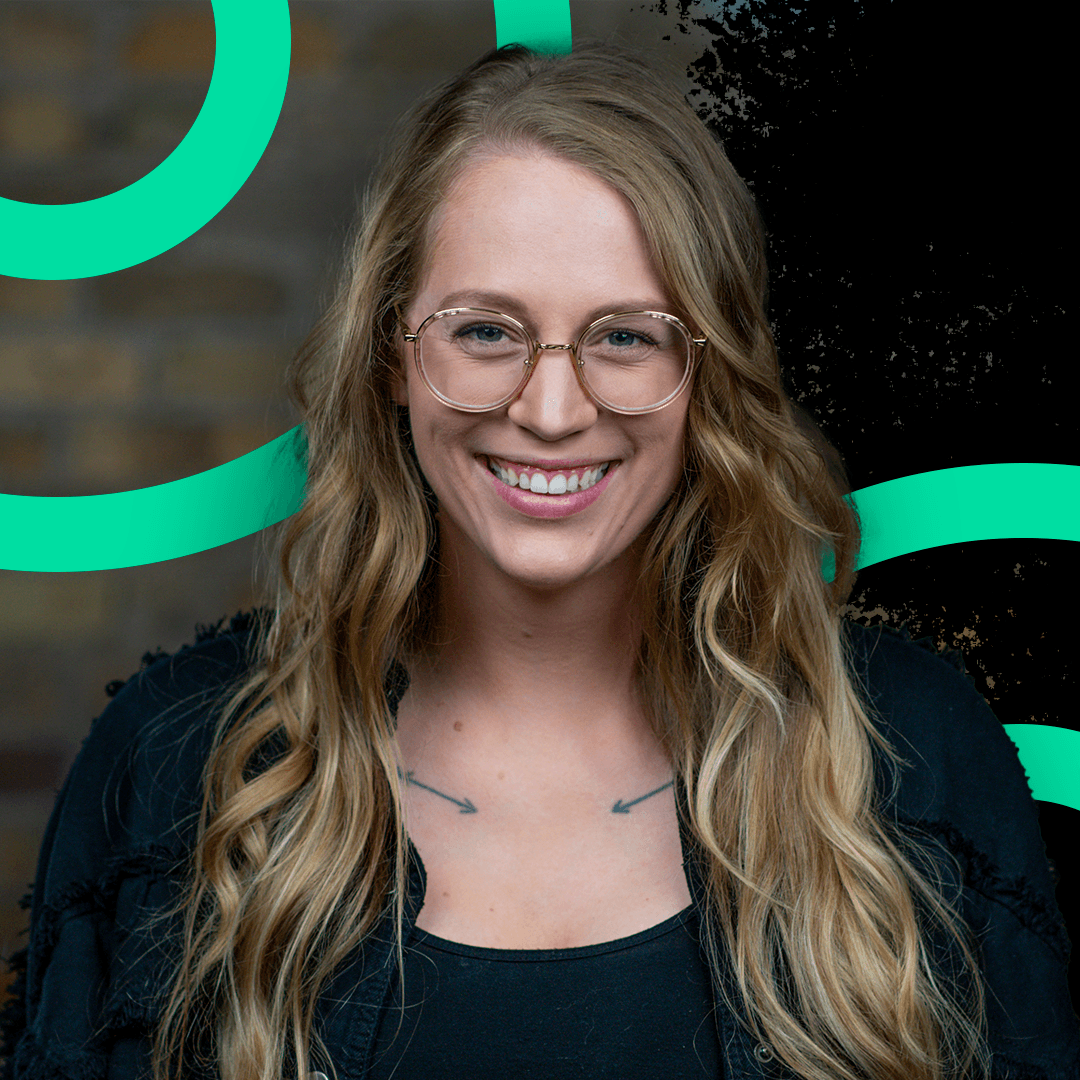
Rachel Stein.
For more than a decade, Rachel has walked alongside clients as a clinician — challenging when it matters and helping them build a life worth staying sober for. Trained in EMDR, DBT, and TF-CBT, she has built multiple intensive outpatient programs and curriculums from the ground up, and she leads the supervision structure that keeps the team accountable.
- EMDR, DBT & TF-CBT
- Addiction + co-occurring mental health
- IOP program design
- Trauma-informed practice
- LGBTQIA+ affirming care